The Best Foods to Try in Corsica
Europe, France, Things To Do
With both French and Italian roots, Corsican cooking gives you the best of two great food traditions. The island is loved for its beaches and wild scenery, but its food and drink are just as memorable, offering a culinary experience you won’t find anywhere else.
As you would expect on a Mediterranean island, menus are full of seafood and local produce. That means dishes made with the freshest ingredients, whatever the season, whenever you stay in one of our luxury villas in Corsica.
Corsica’s first inhabitants lived inland in the mountains, eating hearty, earthy food and raising sheep for meat and milk. Centuries later, decrees required every landowner to plant chestnut, olive, fig and mulberry trees each year, which transformed farming on the island and, with it, the local cuisine.
As the island has grown in popularity, many of its unique products have been awarded protected status, raising Corsica’s profile as a food destination. Not sure what to order first? Here are the best foods to try in Corsica on your next visit.
Charcuterie
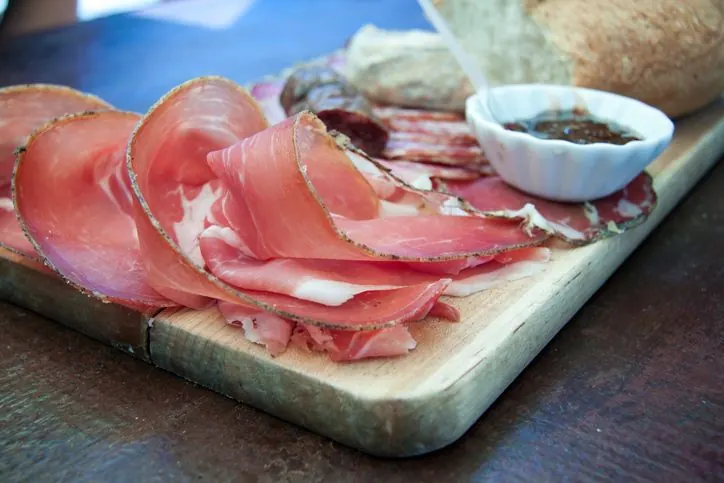
The Italian influence on Corsican cooking is clearest in the shared love of cured meats. The finest charcuterie comes from free-range pigs that feed on the island’s famous chestnuts, which gives the meat a wonderfully rich flavour.
Figatellu, a smoked pork liver sausage flavoured with wine, garlic and herbs, is the best known of all Corsican charcuterie. You will often find it in lentil soup or served alongside other cured meats.
To taste the full range, look for prisuttu, a ham matured for at least a year, and coppa, a smoked cut that will feel familiar to fans of Italian food. Lonzu, meanwhile, is a pork fillet that is salted, smoked and coated in pepper.
Civet de Sanglier
One of Corsica’s most famous dishes is civet de sanglier, a rich stew made with the island’s signature ingredient, wild boar. Usually served with pasta or polenta, it is slowly cooked with onions, carrots, garlic, chestnuts and red wine until it develops a deep, gamey flavour. If you want authentic Corsican food, there is no better place to start than a wild boar stew.
Veau aux Olives
Another traditional favourite is veau aux olives. A hearty dish best enjoyed in autumn or winter, this slow-cooked stew stars veal and green olives, with onions, tomatoes and wine. It is usually served over pasta and is a great way to try one of the island’s best-loved recipes during your stay.
Fish
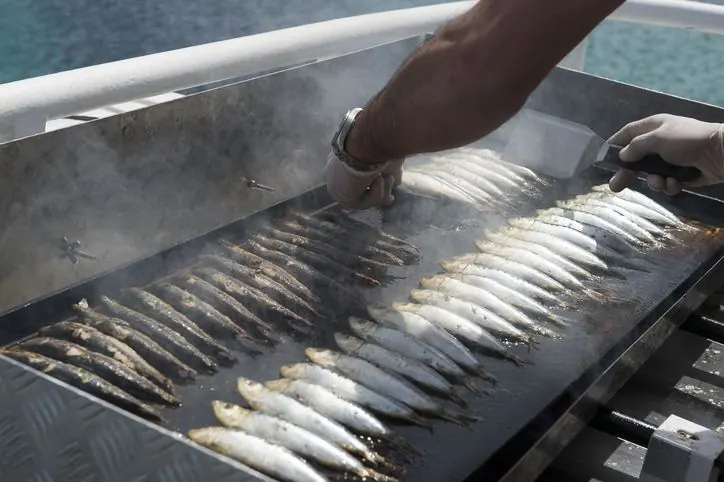
Traditional Corsican cooking makes the most of whatever is close at hand, which is why you will find meaty, vegetable-rich dishes in the mountains and far more fish along the coast. Islanders living by the sea take full advantage of the fresh seafood all around them.
Grilled swordfish, oysters, red mullet, anchovies, sardines and lobster appear on menus all over the island, but those in the know head to the east coast for the best oysters. Trout from the island’s rivers and lagoons is also well worth trying, and is often better value than the meat dishes inland.
Corsica’s signature seafood dish is aziminu, a fish stew in the style of bouillabaisse. Rockfish and shellfish are cooked with tomatoes, garlic and saffron, with lobster added in the most luxurious versions.
Brocciu cheese
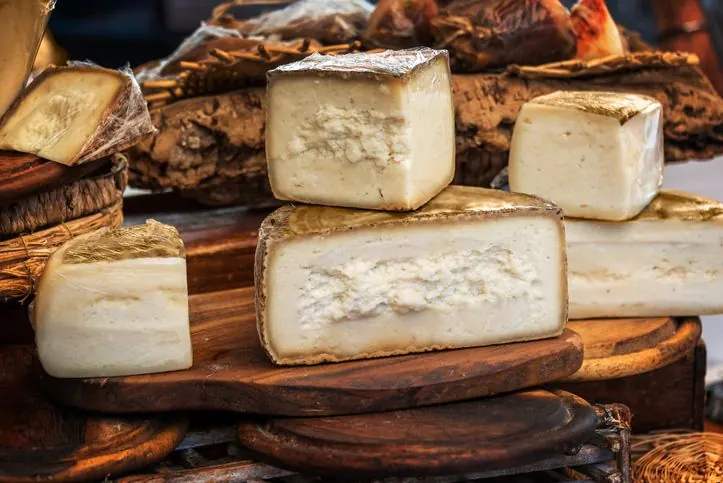
You may be surprised to hear that Corsica has a real reputation for cheese. Every May, the village of Venaco hosts a cheese fair, A Fiera di u Casgiu, celebrating the local varieties that feature in so much of the island’s mountain cooking.
The undisputed king of Corsican cheeses, though, is brocciu, a soft, delicate whey cheese made from goat’s or ewe’s milk. Its texture is similar to ricotta, and it can be eaten fresh or aged.
Brocciu turns up in soups, omelettes and starters, and it is also a favourite ingredient in cakes. If you want to try traditional Corsican food on holiday, put it at the very top of your list!
Fiadone
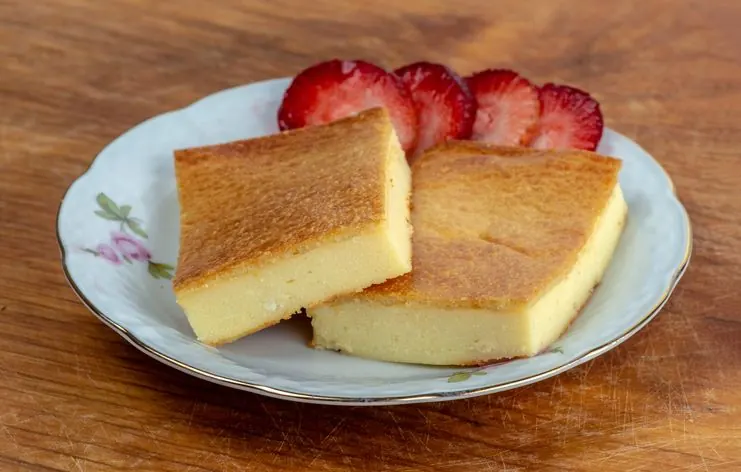
Speaking of cakes, fiadone is Corsica’s baked cheesecake, made without a base. Instead, this much-loved dessert combines brocciu, sugar, lemon zest and eggs, sometimes with a touch of chestnut flour.
Fiadone is sometimes served warm from the oven, but most people prefer it chilled. After a hot day in the Mediterranean sun, what could be better than a cool, zesty slice of cheesecake?
Chestnut flour
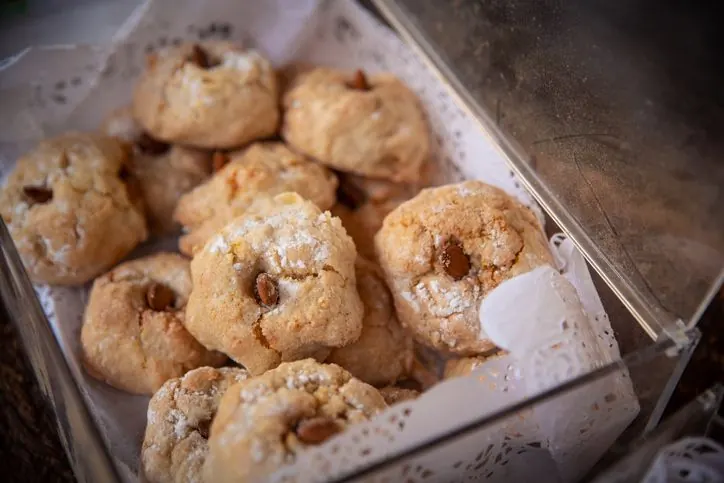
Fiadone isn’t the only Corsican sweet that uses chestnut flour. It is now an essential ingredient in many island desserts, a legacy of the 16th century, when landowners were obliged to plant trees every year, chestnuts among them.
Today chestnut flour is used in all kinds of Corsican dishes, from bread and pasta to porridge and pastries, including a special chestnut flan flavoured with eau de vie, the spirit whose name means “water of life”.
Chestnut fritters are popular too, sometimes filled with brocciu for extra indulgence. For something even more traditional, try pulenda, a dense bread or polenta made from chestnut flour, water and salt, often shaped into a ball or a flat cake.
Canistrelli
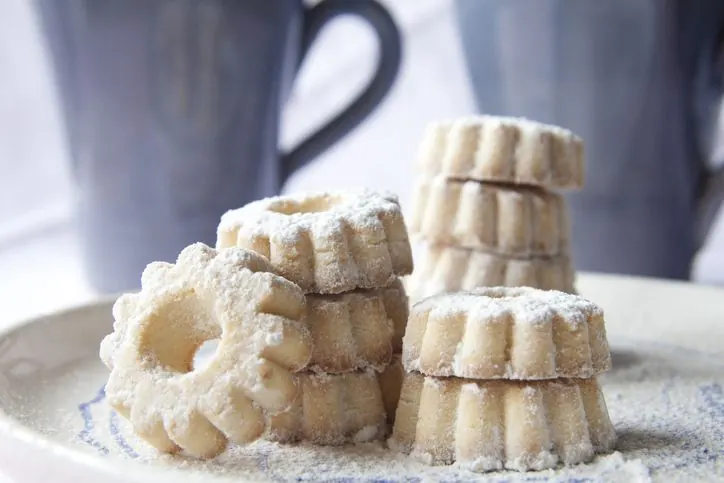
Fancy something small but sweet? Canistrelli are crunchy biscuits made with flour, sugar and white wine, flavoured with lemon zest, aniseed or other aromatics. They are perfect for dunking in coffee, crisp without being as hard as Italian biscotti.
Locals enjoy them for breakfast, but they are also handy to keep in your bag for a snack during the day. They make a great souvenir to take home too, as they travel well!
Honey
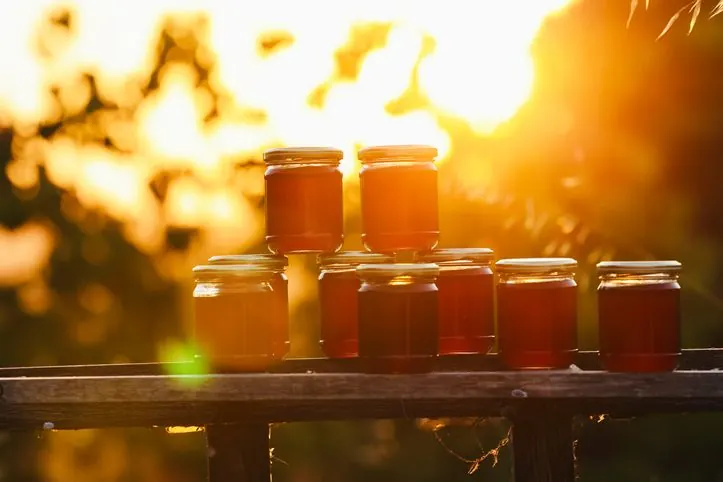
Corsican honey is another lovely souvenir. Thanks to the huge variety of plants that grow on the island, it has a rich aroma and flavour, and its quality was recognised with protected designation of origin status in 1998.
There are six main types of Corsican honey, ranging from pale to dark, each with its own character. Enjoy it simply on fresh bread or as an ingredient in the island’s many desserts.
Wine
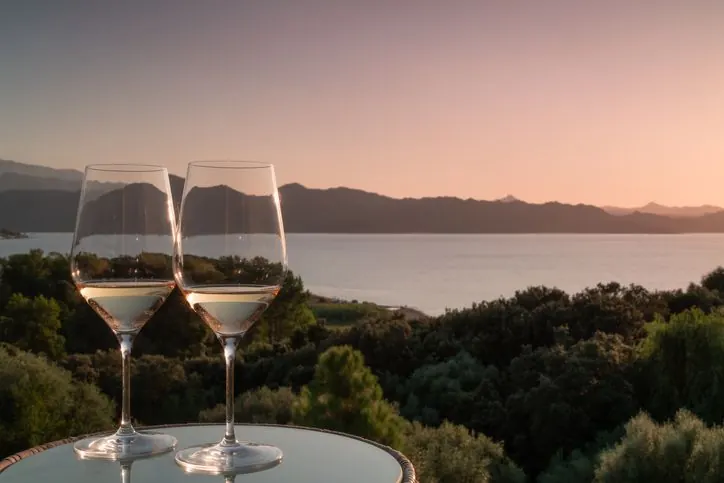
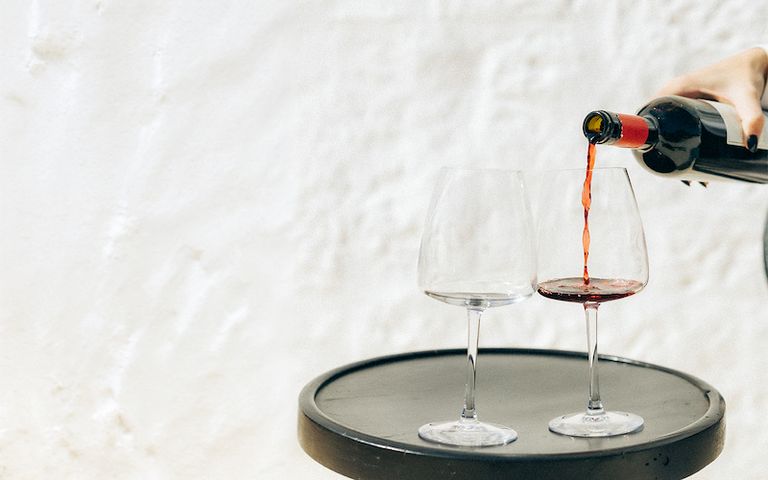
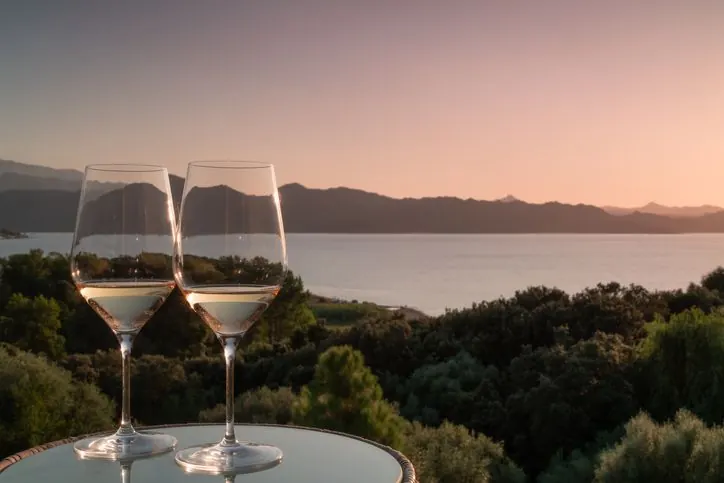
With so much delicious food to try, you will want a good glass of wine to go with it. Fortunately, vines were first planted on Corsica by Phoenician settlers some 2,500 years ago, and winemaking has flourished on the island ever since.
Thanks to its varied landscapes and altitudes, the island produces a remarkable range of wines, made from local grapes such as Nielluccio, Sciaccarellu and Vermentinu. Corsican wine is gaining a growing reputation, so it is well worth trying a few at the island’s best restaurants or buying a bottle to enjoy at your villa.
If you are planning a trip, a visit to a vineyard is a great way to learn about Corsican wine straight from the people who make it. Many estates welcome visitors, and whether you prefer white, red or rosé, you will find something special. Visiting in July? Don’t miss the Fiera di u Vinu wine fair in Luri, with guided tastings and the chance to meet the island’s winemakers.
So those are our top picks for the best food in Corsica. The mix of French and Italian influences, together with a climate that suits all kinds of produce, makes the island a wonderful destination for a food-lover’s holiday.
The meats and cheeses are outstanding, and there are plenty of local desserts to finish off a meal, so those with a sweet tooth are well catered for. Wine lovers can explore Corsican specialities alongside French and Italian wines, with something to suit every taste.
So there you have it: our favourite foods to try in Corsica. Looking for somewhere to stay? Browse our luxury holiday villas in Corsica, and get in touch with our concierge team if you would like a little help choosing.