Dordogne Travel Guide
Europe, France
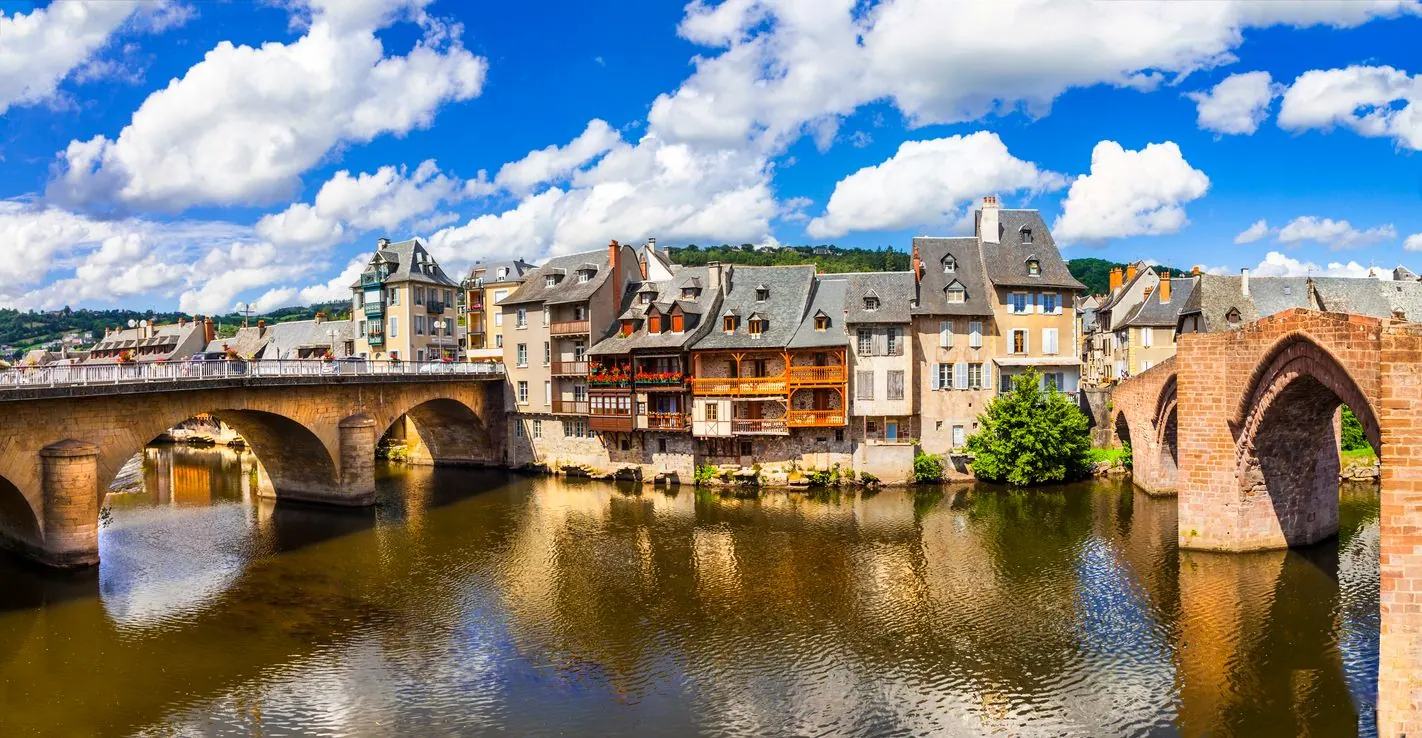
Few corners of France feel as timeless as the Dordogne. Locals and visitors alike fall for its rolling farmland, honey-coloured bastide towns and centuries of layered history. Head south and you will find the lively river villages everyone talks about; travel north into Périgord Vert and the landscape turns greener, quieter and wonderfully unhurried. Our destination team has spent years exploring the region’s towns and villages to find the best chateaux and villas in Dordogne, each one set somewhere special. To help you plan, we have gathered everything worth seeing, doing and tasting into one Dordogne travel guide.
Why Visit?
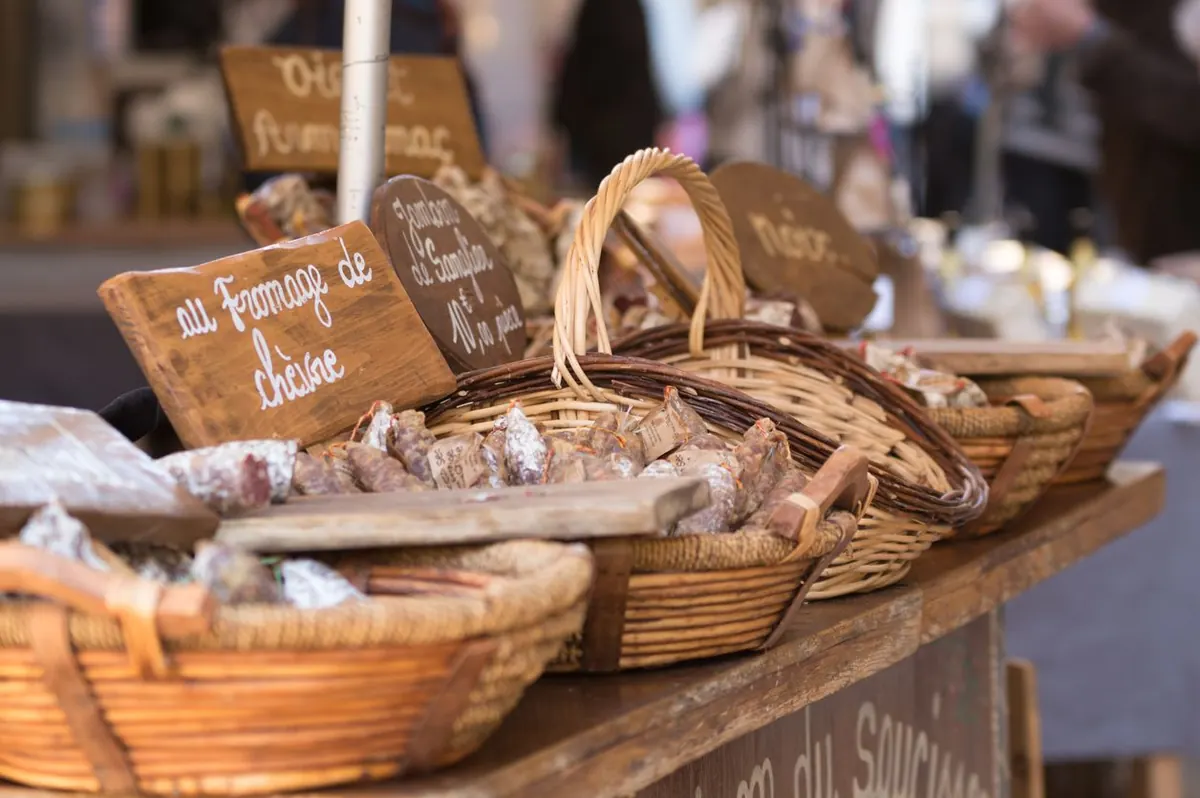
If city life has worn you down, the Dordogne is the antidote. This is a warm, gentle and pleasantly sleepy part of France, scattered with castles and fortified market towns. The south draws the crowds with Sarlat, Bergerac and the great river itself, while the north shows a softer face: chestnut forests, empty country lanes, old stone villages and riverside towns like Brantôme. Then there is the food. Expect long dinners built around duck, black truffles and creamy goat’s cheese, washed down with very good local wine, and in the north a cooking tradition all its own, from chestnuts and foie gras to the famous truffles of Sorges.
Typical Sights
- Lascaux IV – See faithful copies of the world-famous cave paintings.
- Chateau de Hautefort – Stroll the terraces of this graceful hilltop château.
- Dordogne River – Walk its banks, paddle a kayak or follow it by car.
- Gardens of Marqueyssac – Lose yourselves among thousands of clipped box hedges.
- Saint Front Cathedral – Gaze up at the many domes of this Byzantine-style church, the largest of its kind in the region.
- La Roque-Gageac – Wander a cliff-hugging village listed among the most beautiful in France.
- Grotte de Rouffignac – Ride a little train into a vast cave covered in prehistoric drawings.
- Brantôme-en-Périgord – Nicknamed the Venice of the Périgord, this river-wrapped town is the perfect gateway to the quieter north.
- Saint-Jean-de-Côle – Discover a postcard village of golden stone cottages, a small château, an ancient bridge and streets bursting with flowers.
- Château de Jumilhac – Admire the pointed slate turrets of this storybook château in the north, said to have inspired a certain famous animator. Châlus – Just across the border, this old town is where Richard the Lionheart received his fatal wound.
- Oradour-sur-Glane – Visit a village left exactly as it was in 1944, now a deeply moving memorial just outside the region.
When to Visit?
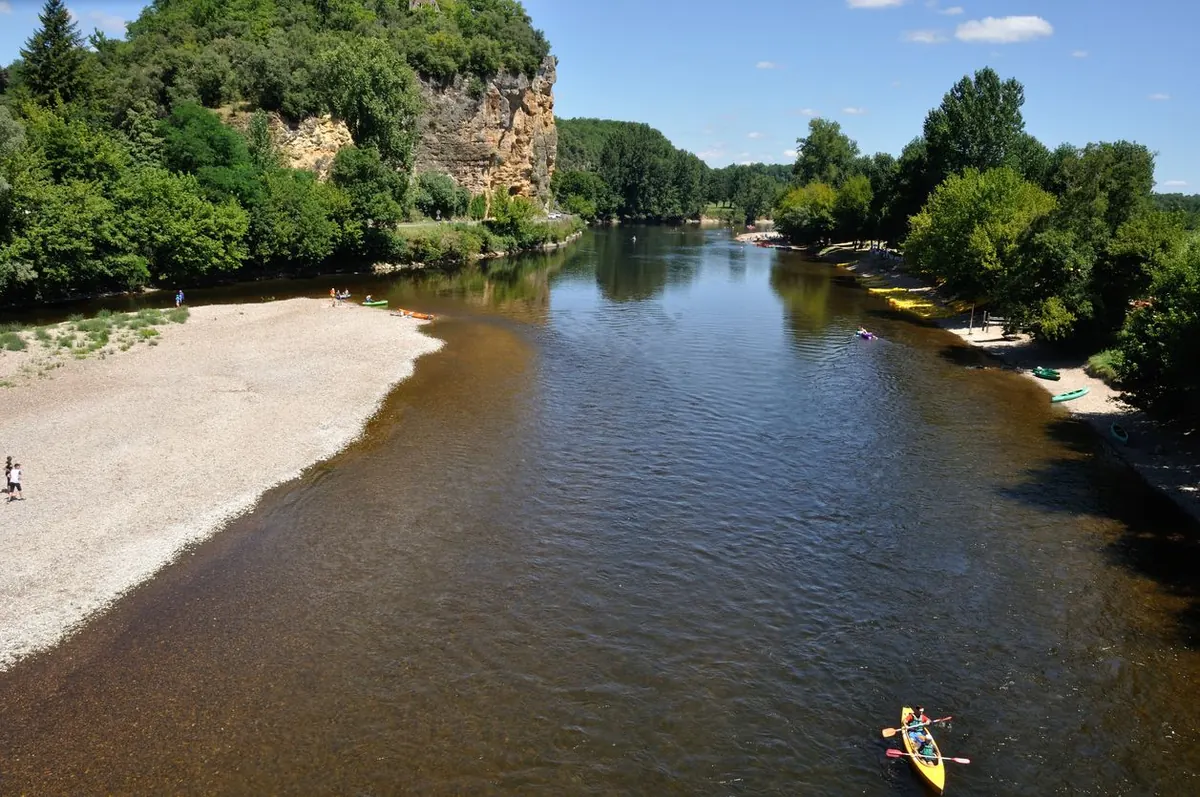
There is no wrong season for the Dordogne. Most visitors arrive in July and August, when hot, sunny days regularly touch 35 degrees Celsius. Summer is also when the region is at its most festive: village fêtes, fairs and the much-loved evening markets pop up everywhere, and long tables fill with locals and holidaymakers eating together under the stars.
Expect company, though, as roads, restaurants and the big sights are at their busiest. Late spring and early autumn offer a calmer alternative, with warm afternoons, emptier lanes and an easier rhythm. Just pack a jumper for the cooler evenings.
If beach weather isn’t essential, think about visiting between October and April. Once the summer visitors leave, you’ll see a side of the Dordogne that few holidaymakers ever meet: misty valleys, frosty mornings and the occasional light fall of snow over the fields.
Food lovers have one more reason to come in the cooler months: black truffle season runs from December to March. In the north, look out for autumn chestnut festivals, when the humble nut finds its way into breads, cakes and traditional dishes. Do keep in mind that many attractions and restaurants close over winter, although a handful of châteaux stay open all year.
Getting Around
- By plane: Direct flights from the UK land at Bergerac and Bordeaux, where you can pick up a hire car for the rest of the journey. Bergerac suits the south and west of the region best, while Bordeaux works well wherever you are heading. If you’re staying in the north, Limoges is usually the most convenient airport, and Brive Vallée de la Dordogne is handy for the eastern side.
- By ferry: Travelling by sea, the most useful ports are in northern France at St Malo and Cherbourg. Brittany Ferries runs crossings from Portsmouth to St Malo, and both Brittany Ferries and Condor Ferries sail from Portsmouth to Cherbourg. You can also cross to Caen with Brittany Ferries or to Le Havre.
- Public transport: Exploring without a car is possible but limiting. Sarlat is the main hub, with trains linking it to Bergerac and Le Buisson-de-Cadouin, yet services are slow and infrequent. Local buses are rarer still.
- By bike: Scenic cycle routes crisscross the region, but some stretches are properly hilly, so be ready for a few steep climbs. The reward is an endless supply of pretty villages for coffee stops along the way.
- Hiring a car: Quiet roads and gorgeous countryside make driving here a real pleasure, and a car lets you reach the hilltop villages and hidden valleys that buses never visit. All the main airports have car hire desks on site.
- By taxi: Not planning to drive? Local taxi firms such as Taxi Faugère and Taxi Cy cover the area and can be booked for airport transfers or evenings out.
Hidden Gems
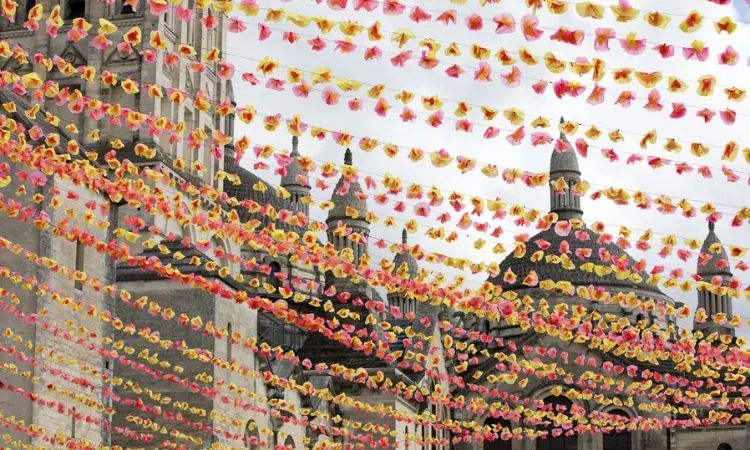
- Get up early for the Périgueux Market, where stalls overflow with foie gras, charcuterie, cheese, warm bread and seasonal fruit and vegetables. The backdrop, beneath the domes of the city’s great cathedral, makes it all the more memorable.
- At the beautifully designed Vesunna Gallo-Roman Museum, visitors walk above the excavated remains of a first-century villa and look straight down through glass, like archaeologists at work.
- The Chateau des Milandes was once home to the music-hall star Josephine Baker, and today it tells the story of her remarkable, adventurous life.
- Night markets, the marchés nocturnes, are at the heart of summer life in the Dordogne and a joyful excuse for whole villages to gather and feast.
- Don’t miss the Thursday evening fête at Loubejac during July and August. Locals bring their own cutlery, so do the same if you want to blend in rather than look like a first-timer.
- Urval is a quiet hamlet with a single church, wrapped in forest and missing from most guidebooks. It’s worth the detour for its old-world feel, its traditional Périgord houses and a communal bread oven that has stood since the 14th century.
Best Family Activities
It’s easy to assume a region this peaceful and old-fashioned would bore children, but the Dordogne’s caves, rivers and medieval fortresses are made for young explorers. Add adventure parks, aquariums and hands-on museums and the days fill up quickly. Best of all is the warm welcome families receive. So many restaurants, farms and vineyards are run by families themselves that children are treated as honoured guests rather than an inconvenience.
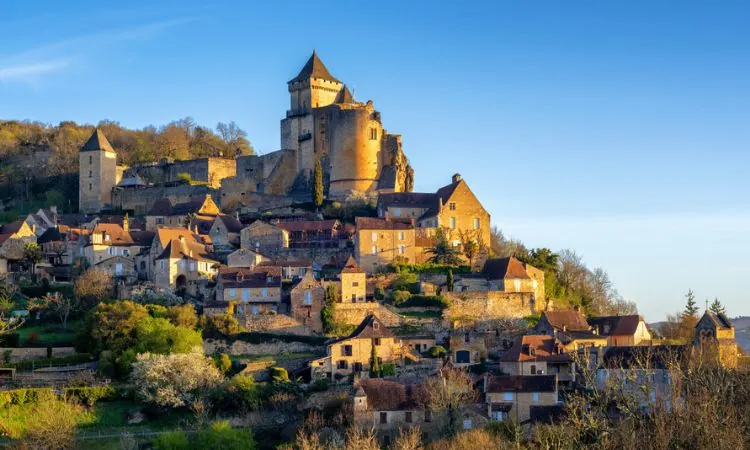
Castles and châteaux are everywhere in the Dordogne, and children love exploring them and imagining knights and sieges.
- At Chateau de Castelnaud there are battle re-enactments, armour workshops and live demonstrations of trebuchets, the giant catapults of medieval warfare. Further north, Château de Jumilhac has a more fairytale feel, and the castles around Brantôme and Bourdeilles are a good choice if you’d like to avoid the busiest southern sights. The countryside itself is a playground too: go on nature walks, cycle between villages or pack some paints and try to capture one of the views. Below ground, the region’s caves are endlessly fascinating for children. Lascaux is the best known, but a guided visit to the Cave of Font-de-Gaume shows you original prehistoric paintings rather than replicas. Paddling down the river by canoe or kayak is another favourite, and the water is calm enough for even young children to join in; most hire centres provide life jackets and will collect you and your boats further downstream, so there is no need to paddle back against the current. There are fewer theme parks here than elsewhere in France, but Aux Etangs du Bos is a brilliant water park for a hot afternoon, with slides, pools and shady picnic spots, and Les Villages Bournat recreates village life of a century ago, complete with blacksmiths, bakers, potters and old-fashioned fairground rides that children and grandparents enjoy in equal measure.
Looking for more ideas to keep the children happy? Take a look at our guide to the best activities for kids in Dordogne.
Best Family Cycling Routes
The region’s “Voies Vertes”, or green routes, are closed to all motor traffic, which makes them ideal for families on foot, on bikes or even on horseback. Some routes are long for little legs, but choose a shorter stretch and you’ll have a relaxed day out that shows children a whole new landscape at an easy pace.
- The Trélissac to Marsac-sur-l’Isle route runs alongside the river, with plenty of spots to rest along the way.
- From Vialard to Grolejac, the path follows the river before turning inland for different views.
- The green route through Saint-Pardoux-la-Rivière and Thiviers leads deep into unspoilt countryside, with nothing but fields and woodland around you.
- For something different, try the Vélorail at Thiviers: pedal-powered carts that roll along old railway lines through the calm countryside of the north.
- North Dordogne in general is lovely for easy cycling days, with less traffic than the south, pretty villages for breaks and wide countryside views.
Things to Do
Bringing friends and family together in a Dordogne villa for the summer could be the best idea you have all year. Fine wine, great food, sunshine and the people you love: what more could you want? The trick to a truly memorable stay is to plan a few special outings in advance, so here are some of our favourite group activities for grown-ups in the Dordogne.
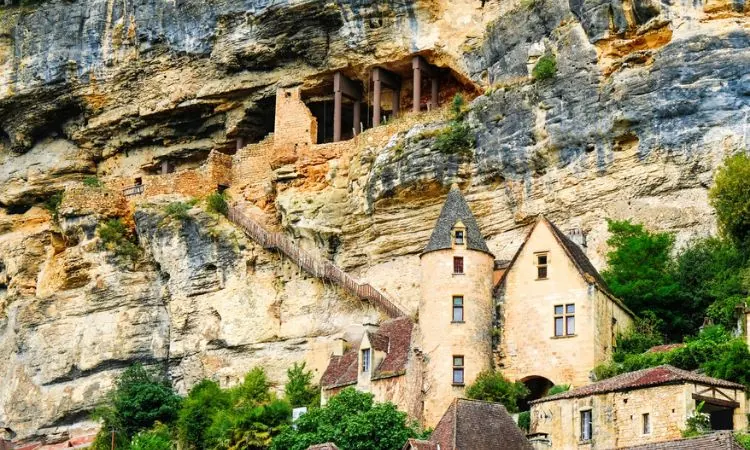
- Go underground! The Dordogne is riddled with caves, and while exploring alone isn’t a good idea, many sites offer guided tours, whether you want prehistoric art or simply spectacular rock formations.
- Gouffre de Padirac is our favourite, with a dramatic descent followed by a boat trip on an underground river.
- The Dordogne is a joy to explore by bike, from a gentle ride to the nearest bakery to a hilly route that will test your legs.
- The river is the classic way to see the region. Canoë Roquegeoffre Port d’Enveaux rents out boats and will happily suggest a route.
- Step back in time by visiting grand manor houses and country estates.
- Jardins d’Eyrignac welcomes visitors to its beautiful gardens and runs workshops for adults.
Need more ideas for a group trip? Read our guide to the best group activities in the Dordogne!
Dishes to Try in Dordogne
One ingredient rules the Dordogne table: duck. It appears on nearly every menu in the region, whether as slow-cooked confit, pink seared breast or silky foie gras, and you’ll soon learn there are countless ways to enjoy it.
Walnut trees grow all over the Dordogne, and their nuts are used for oil, walnut wine (vin de noix), cheeses and breads as well as eaten whole. Truffles and cèpe mushrooms, prized by chefs everywhere, are also staples of the local kitchen. The north is a real treat for food lovers, with foie gras around Thiviers, black truffles near Sorges and chestnuts in local dishes, cakes and autumn festivals. You can eat well on any budget, from simple roadside restaurants and farmers’ markets to Michelin-starred dining rooms serving meals you’ll never forget.
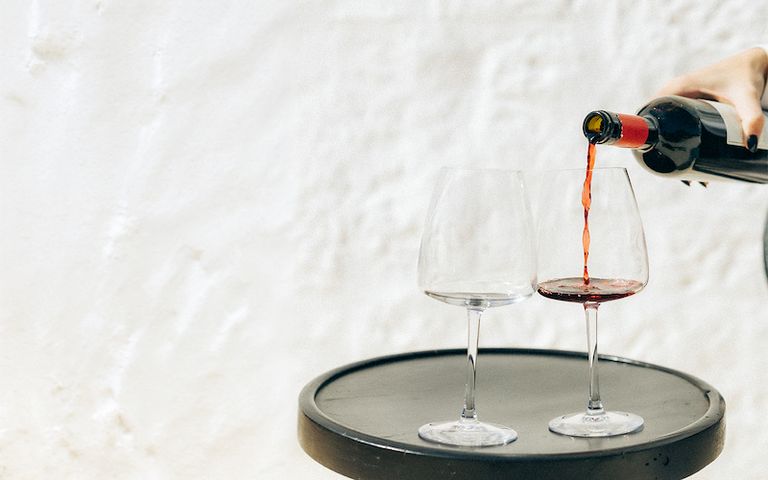
Wine lovers are well served too. Around Bergerac lies the Dordogne’s main wine country, producing crisp whites (Bergerac and Montravel), rich reds (Pécharmant) and sweet wines (Saussignac and Monbazillac). The north is not really wine territory; there, the focus is on chestnuts, duck, foie gras, truffles and hearty country cooking.
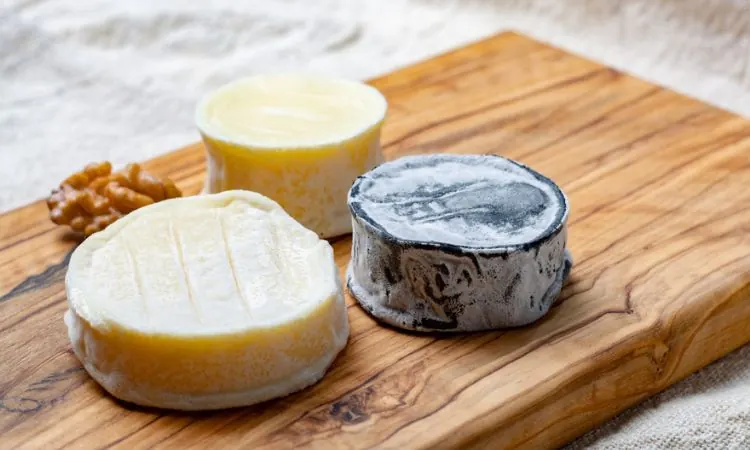
- Look out for cabécou, a small, soft local goat’s cheese, often served warm on salads in bars and restaurants.
- The region is renowned for its walnuts, found in cakes, pastries, oils and flours, and simply delicious eaten by the handful.
- Order magret de canard (pan-fried duck breast) or a salad of duck gizzards for a true taste of the region.
Best Foodie Experiences
If you’re the kind of traveller who plans the day around meals, these experiences will give you a proper taste of Dordogne cooking.
- Château Feely in Saussignac makes organic wines with real character. Book a tasting with lunch and learn about the estate’s approach to winemaking and the land it comes from.
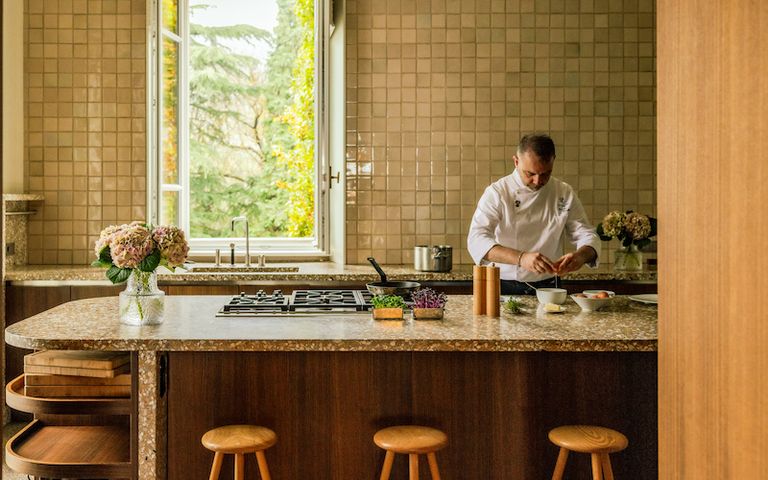
- Want to take some of that South of France cooking home with you? Le Chèvrefeuille Cookery School in Saint-Cyprien starts with a trip to the market for ingredients, then shows you how to turn them into an authentic local meal.
- Bergerac Wine Tours is perfect if you want to understand the region’s wine heritage: they collect you from your villa or château and take you round carefully chosen vineyards, so you come home knowing far more about France’s favourite drink.
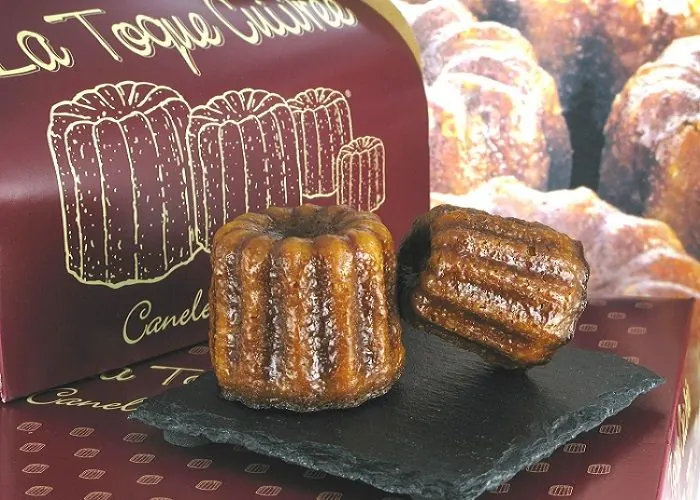
- Sweet tooth? The region’s cakes and pastries are hard to resist, and the Bovetti Chocolate Museum in Terrasson-Lavilledieu adds hands-on activities and a shop full of treats to take home.
- Heading north? The foie gras museum in Thiviers celebrates one of the region’s most famous specialities.
- In Sorges, the Écomusée de la Truffe is the place to learn all about the Dordogne’s prized “black diamond”.
- Watch out for chestnut festivals across North Dordogne, where the local nut stars in everything from cakes and breads to savoury autumn dishes.
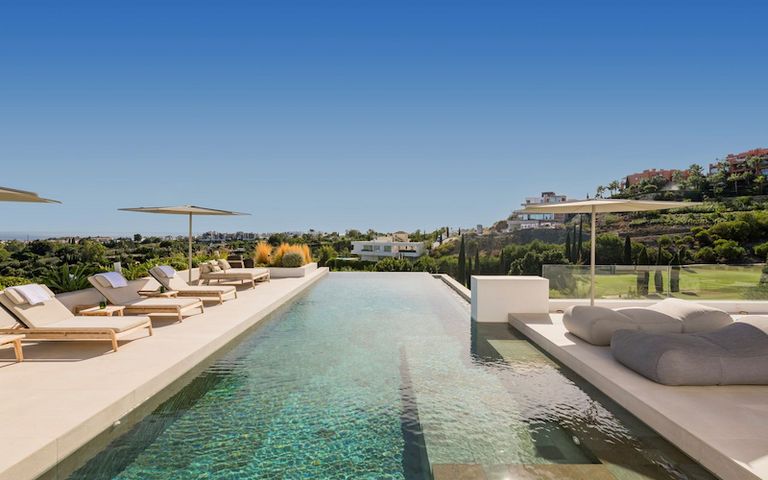
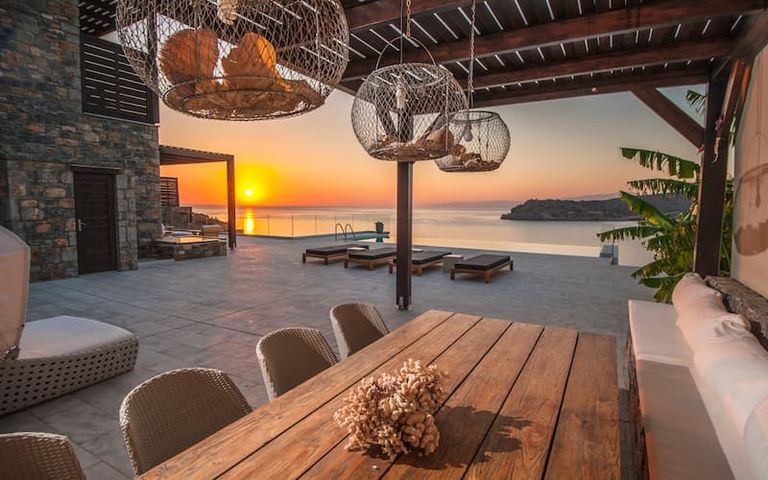
Now that our Dordogne travel guide has given you the full picture, take a look at our luxury villas in Dordogne. Whether you’re travelling as a family, a big group or a couple, you’ll find a home that fits. And if you need a hand choosing, our concierge team is always happy to help.