Languedoc Travel Guide
Europe, France
Languedoc-Roussillon is one of those parts of France where you feel blissfully far from the rest of the world. Mass tourism has been slow to arrive here, so you can still enjoy an authentic taste of rural French life at its very best.
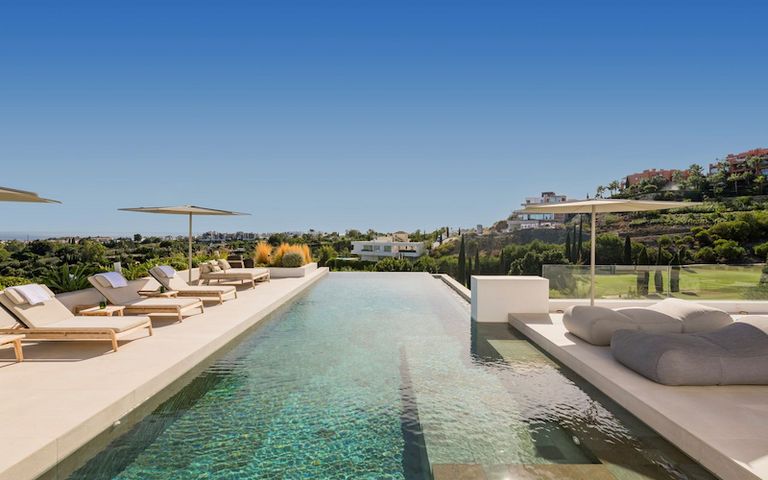
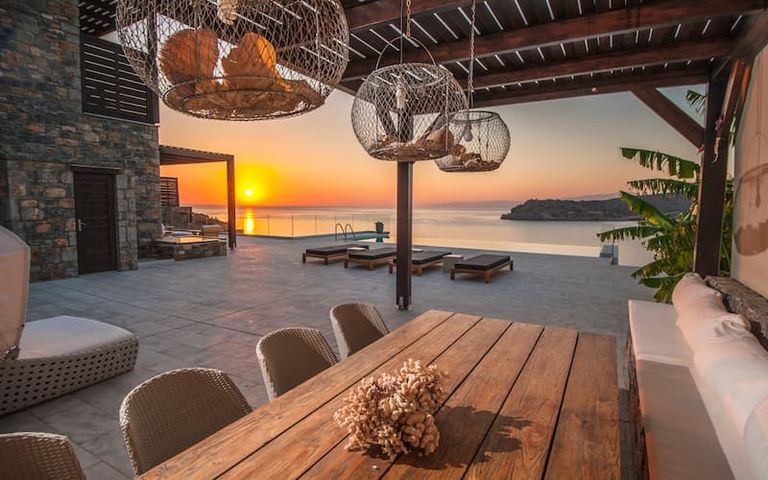
Stay in one of our luxury villas and chateaux in Languedoc and you will be perfectly placed to explore. To help you make the most of your stay, read on for our Languedoc travel guide.
Why Visit?
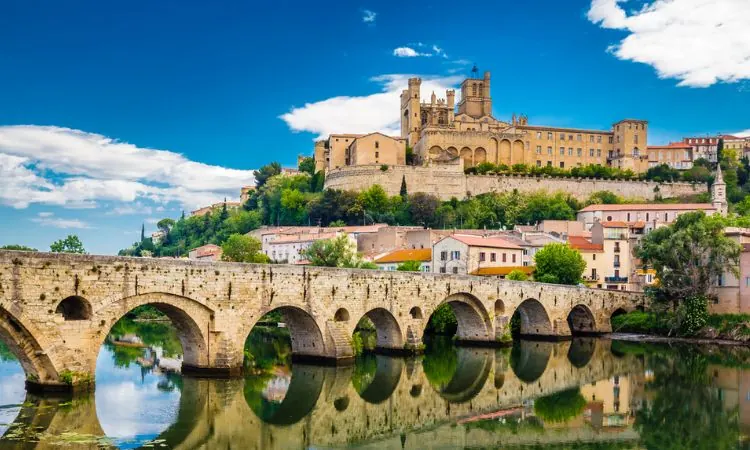
With its own traditions, its own language and a fiercely independent spirit, Languedoc has always done things its own way. It is proud of its long history, and the traces left by the many peoples who settled here, Romans, Moors and Cathars among them, give you endless places to explore.
The landscapes are just as rich: long sandy beaches, lagoons full of pink flamingos, scrubby garrigue, forests and dramatic hills. As France’s largest and perhaps most exciting wine region, it is also a wonderful place to discover some truly excellent reds and whites.
Typical Sights
- Roman Nîmes – Catch a summer concert inside the city’s magnificent Roman arena.
- Pont du Gard – Marvel at one of the most impressive Roman aqueducts anywhere.
- Carcassonne – Walk the ramparts of this extraordinary fortified hilltop city.
- Arles – Follow in the footsteps of Van Gogh, who painted many of his best-known works here.
- Pic Saint-Loup – Climb to the summit for a picnic with a view.
- Aigues-Mortes – Circle the walls of this perfectly preserved medieval town.
- Château de Puilaurens – Explore a Cathar fortress perched high in the mountains.
When to Visit?
Languedoc has four clear seasons. Summer is the time for swimming and sunbathing, but also the hottest and busiest period. May and June are pleasantly warm, with the occasional late spring shower that becomes rarer as the weeks go by. July and August are hot and reliably sunny, with temperatures climbing into the high 30s.
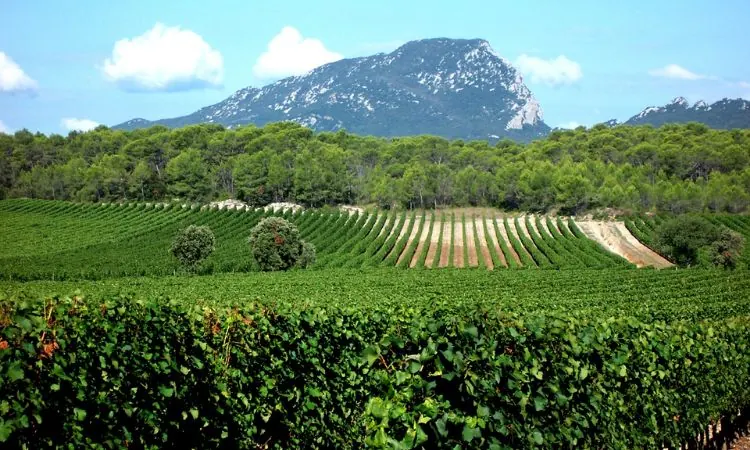
If you prefer gentler weather, a spring visit lets you beat the crowds. Autumn is mild too, although thunderstorms are more likely. If you don’t mind the odd downpour, it is a beautiful time to come: the vines turn copper and gold, the air is fresher and the heat eases, making walks in the hills a pleasure. You can still swim, as the warm weather usually lasts until around mid-October.
Winters are colder than many people expect, with frosty mornings and occasional snow on higher ground. Yet they are far from gloomy: the brilliant blue skies and evergreen hillsides are guaranteed to lift your spirits.
Getting Around
Airports: Montpellier, Carcassonne, Nîmes, Béziers and Perpignan all have direct flights from the UK.
Public transport: The national SNCF rail network links almost every major town in Languedoc, with buses filling the gaps. Larger cities such as Toulouse and Albi have frequent bus services, but in quieter rural areas transport is not designed with visitors in mind. The Tarn and the Hérault have reasonable country bus networks, while in much of the Corbières and the Haut-Languedoc services are rare or simply don’t exist.
By bike: With a Romanesque church, ruined castle or Roman monument around every corner, cycling here is a joy. There are many shorter routes and greenways, and one great long-distance path: the 240km towpath of the Canal du Midi, which runs all the way from Toulouse to Marseillan.
Taxis: Hailing a taxi in the street isn’t really done in Languedoc; head to a taxi rank or book ahead by phone.
Hiring a car: Driving in Languedoc is a pleasure and opens up remote corners that public transport never reaches. Two main motorways cross the region, one from Toulouse to Narbonne and another along the Mediterranean coast. Both have tolls, but they are usually quieter than the free national roads. Car hire is available across the region, including Narbonne, Toulouse, Perpignan and Montpellier.
Hidden Gems
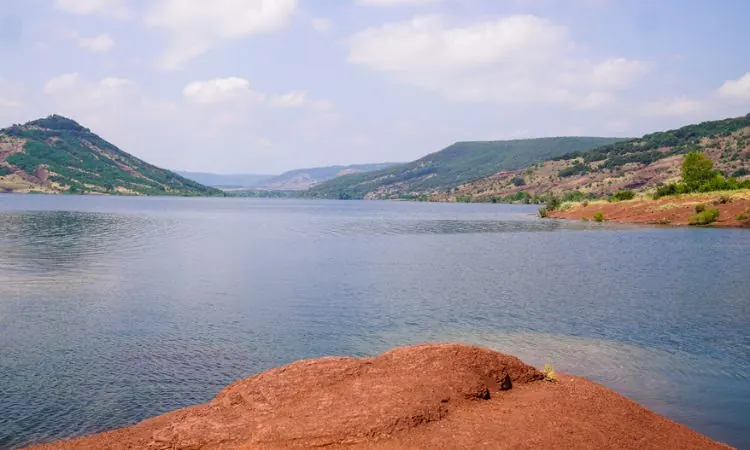
- There are swimming spots all over Languedoc, but few as stunning as the Lac du Salagou. Its deep blue water glows against the surrounding red volcanic earth, almost like a lunar landscape. Swim, sail, fish, windsurf, walk or cycle, and don’t miss Celles, an abandoned village on the shore.
- If there were a contest for the prettiest village in southern France, enchanting Saint-Guilhem-le-Désert would surely be on the podium. A maze of narrow lanes beside the gorge of the Hérault, this remote, UNESCO-listed village is a true sleeping beauty.
- Assignan is unlike any other village in Languedoc. Almost deserted not so long ago, it was brought back to life when a Flemish couple arrived, opened a characterful château hotel and gradually restored the empty houses. Today they are holiday homes, shops and restaurants, splashed with bold reds, pinks and purples that echo the colours of the local wines.
- Most people celebrate with Champagne, Prosecco or Cava, but wine lovers in the know reach for Blanquette de Limoux. This sparkling wine from Limoux, south of Carcassonne, has been made since at least 1531, well before Champagne’s monks claimed to have invented the bubbles.
- Clinging to a steep, wooded mountainside, the peaceful Abbey of Saint-Martin-du-Canigou takes a good climb to reach. Guided tours are in French only, but don’t let that stop you: the jaw-dropping views are the real reward, and they need no translation.
- Sweet lovers should head to the Haribo Museum in Uzès, devoted to the famous gummy sweets. Expect stories from the company’s history, displays made entirely of sweets, a few samples along the way, and a shop selling every variety you could imagine.
Best Family Activities in Languedoc
For families, the South of France is hard to beat, and Languedoc is as child-friendly as it gets. There are Roman ruins for playing gladiators, mighty castles for young knights to defend, city fun in Montpellier and outdoor adventures in the foothills of the Pyrenees, perfect for little explorers.
Better still, children are welcome almost everywhere; it is perfectly normal here for families to stay out late together, often lingering in cafés and restaurants until 10 or 11pm.
- Le Vallon du Villaret is a sculpture park and play trail hidden in a forest. The whole family can enjoy a lovely walk in nature and discover surprising artworks along the way, with plenty of exercise thrown in.
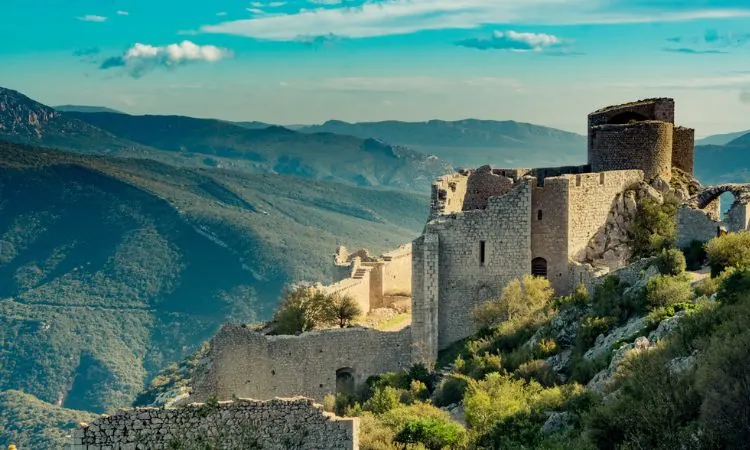
- For a different kind of history lesson, visit the ruins of the Château de Peyrepertuse. Set on a rocky ridge, they are wonderfully atmospheric with sweeping views, though the climb up may be tough for little legs.
- Need to burn off some energy? Treetop adventure parks near Argelès take children high into the trees on rope bridges, swings and zip wires, with special courses for children as young as two.
- Le Grau-du-Roi is a lively and charming seaside town, and its Seaquarium means there is plenty to do even when the weather turns.
Looking for more activities like these? Read our guide to the best family activities in Languedoc!
Best Family Friendly Beaches in Languedoc
Vias Plage has few facilities, but it is easy to reach and offers golden sand and warm water for everyone. Valras Plage is wide and spacious, so there is plenty of room to spread out and play, and in summer there are fairground rides and an adventure park for the children. Portiragnes is more remote but has a big plus for families travelling with a pet: it is one of the few beaches in the area where dogs are welcome in summer. L’Espiguette is one of Languedoc’s best-known beaches and very family-friendly; just note that the far ends are popular with naturists, so stay near the car park if you’d rather the children didn’t wander that way!
Adrenaline-Fuelled Activities
Languedoc is a great choice for large groups looking for somewhere unspoilt, where the welcome is as warm as the sunshine and the places to stay range from classic to quirky.
To save you from endless debates once you arrive, we have been thinking about the best grown-up group activities in Languedoc and have put together a shortlist of our favourites.
- We have praised Languedoc’s scenery many times, but have you ever wondered what lies beneath it? Southern France is riddled with caves to explore, including the Grotte de la Salamandre, where you can even abseil down into the cavern!
- Above ground, there are lots of new ways to see the landscape. How about a hot-air balloon flight or a day behind the wheel of a classic car? For something more hands-on, 4x4 safaris head into the wilder corners of the Camargue, where you may be surprised by the wildlife you spot, from flamingos and herons to wild horses and black bulls.
- With so much coastline, watersports such as diving, sailing and surfing are easy to find and even easier to enjoy! Catamaran trips along the coast are a fun way to see Languedoc from the sea, with stops for swimming and snorkelling along the way.
Laid-Back Things to Do
There is no better way to explore Languedoc than by bike! You set your own route, and it is easy to stop whenever a tempting café appears by the roadside. It suits every age and fitness level, too. Local bike tour companies will rent you bikes, suggest great routes and even deliver and collect them at your château.
Another lovely lazy day can be spent along Languedoc’s canals and rivers. Bring a fishing rod, take a gentle walk or drift downstream by boat or canoe. Canal cruises on the Canal du Midi with lunch served on board add a touch of indulgence to your day.
Want more ideas? Read our blog on the best things to do in Languedoc!
Foods to Try in Languedoc
Although it is the oldest and largest wine region in France, Languedoc hasn’t always enjoyed a great reputation for its wine. In the past, quantity came before quality, but those days are gone! Today the region’s winemakers produce creative, high-quality wines that, for now at least, are remarkable value.
With so much wine to taste, you will need some hearty food alongside. Remember that eating in Languedoc is never just about refuelling: a meal is a social occasion and should never be rushed. Here are some regional specialities to look out for during your long lunches and leisurely dinners.
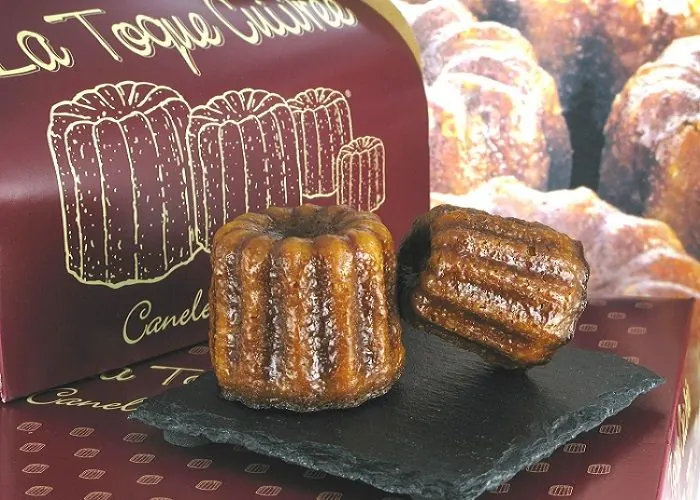
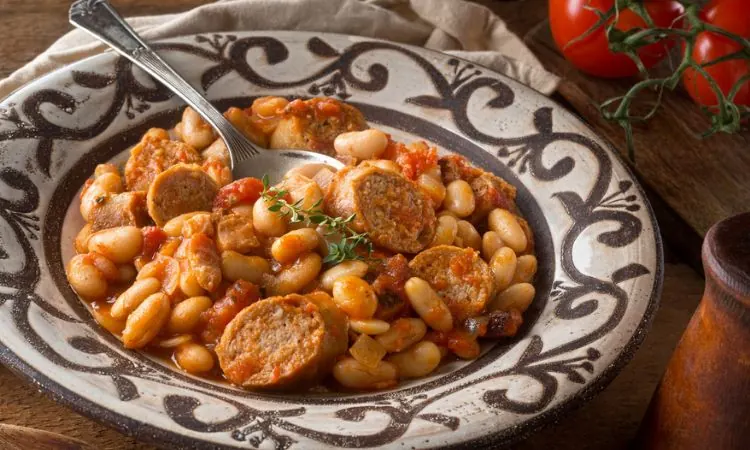
Cassoulet is Languedoc’s most famous dish and you will find it on menus everywhere. A rich, slow-cooked stew of white beans with duck, pork and sausage, it is perfect for cooler days and big appetites! For something lighter, try navettes, crisp little boat-shaped biscuits flavoured with orange blossom. Embrace the region’s Catalan side with boles de picolat, meatballs in a rich tomato sauce. And don’t forget the seafood: as long as it is fresh you can’t go wrong, but look out especially for oysters from the Thau lagoon and the famous anchovies of Collioure.
Now that you have read our Languedoc travel guide and know the region inside out, take a look at our luxury villas in Languedoc to find the perfect place to stay.
Looking for a full list of villas to rent this year? Take a look at our villa holidays page.